
Start with where the tile will go. Porcelain is a type of ceramic tile with a less absorbent body, but the name alone does not tell you whether a particular tile suits your floor, splashback or outdoor area. Compare products made for the job, then choose the finish you want to live with.
At Lilydale Tiles, you can look at both the porcelain range and subway and ceramic range. Here is how to narrow those choices before visiting the showroom.
The difference at a glance
| What to compare | Porcelain | Non-porcelain ceramic |
|---|---|---|
| Tile body | Water absorption of 0.5% or less | Water absorption above 0.5% |
| Cutting and bonding | Generally harder to cut and bond | Generally easier to cut and bond |
| Where it can go | Check the exact product’s floor, wall, wet-area and outdoor suitability with the supplier and installer. | |
| Finish and grip | Compare the surface finish and product ratings. Neither category name is a slip-resistance rating. | |
The absorption distinction and general installation differences are explained by the Tile Council of North America. Product instructions still matter when choosing an individual tile.
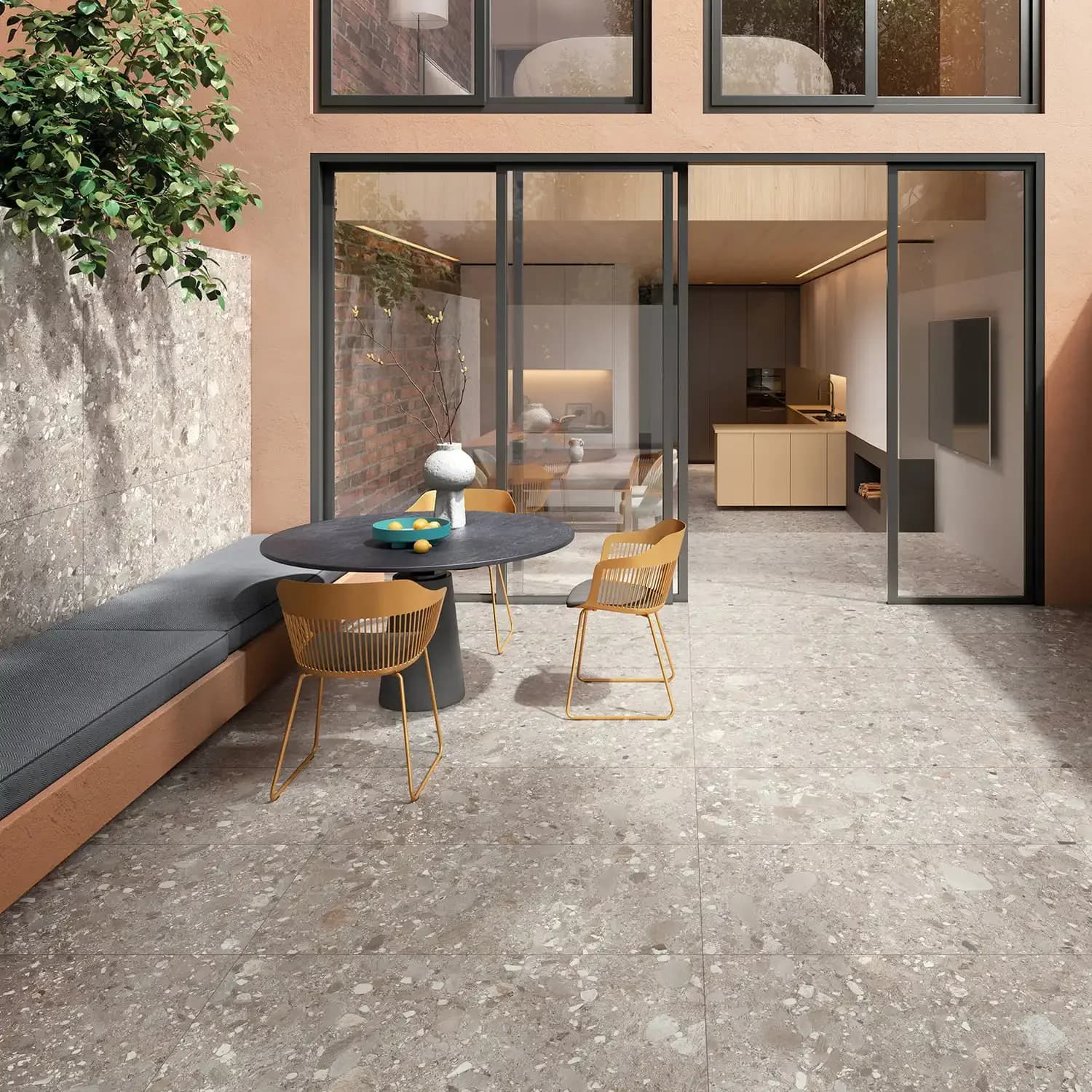
Choose for the room before the material
For a kitchen splashback, the colour, tile shape and grout pattern may lead your decision. For a floor, discuss the surface finish, expected use and layout with your tiler. A tile displayed as a wall option should not be assumed suitable underfoot.
For a bathroom or an outdoor space, tell the team exactly where the tile is going. Both porcelain and non-porcelain tiles can have suitable exterior applications, but this depends on the particular product. Ask for the manufacturer’s information rather than using “porcelain” as a shortcut for outdoor suitability.
Compare the finish alongside your other selections
Bring a cabinet sample, paint colour or a photograph of the room. Compare tile samples together: a colour that looks warm on its own can read differently beside your benchtop or existing floor. Look at the surface in your room’s lighting before settling on a choice.
Consider grout at the same time. A contrasting grout makes the pattern more visible; a closer colour gives a quieter effect. Your tiler can help you work through tile size, cuts, grout joints and transitions before the order is finalised.
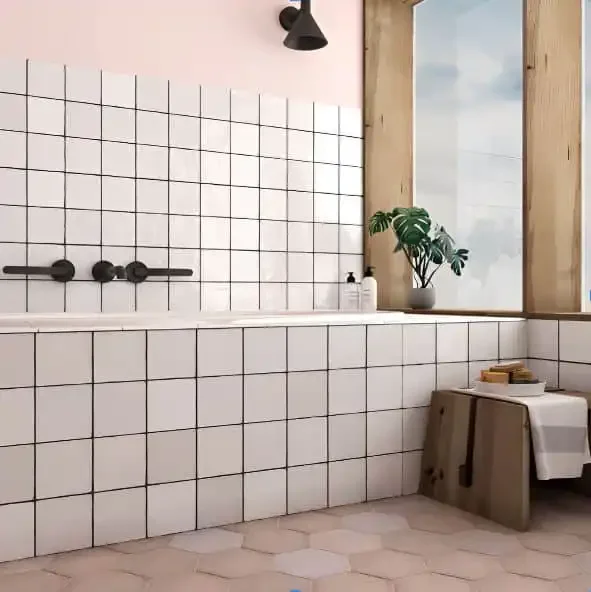
Allow for the whole installation
Porcelain is generally harder to cut and bond than non-porcelain tile. That is a useful discussion for your installer, rather than a reason to rule it out: the right tools, preparation and fixing materials are part of the job.
Lilydale Tiles also stocks adhesives, grouts and fixing products. Share the selected tile and substrate details with your installer so the installation system can be checked against the product instructions.
Bring your shortlist to the showroom
Bring your room measurements, plans and photographs, along with any finishes already chosen. Note whether you need wall or floor tiles and whether the space is indoors or outside. That gives the team a useful starting point for comparing samples and discussing the next steps.
Visit Lilydale Tiles at 58 Cave Hill Road, Lilydale, or browse the full range before you come in.